OEM Data Sharing: Bib batteries' Ranking

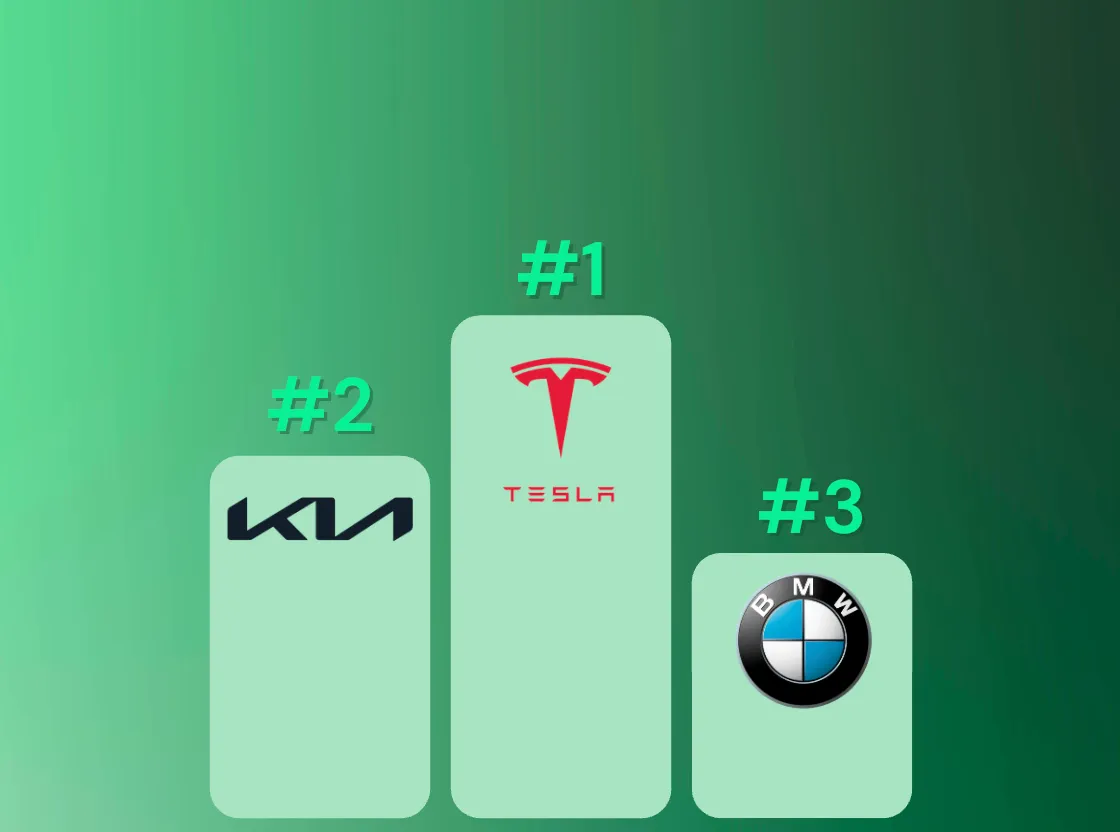
In an era where electric vehicles (EVs) are becoming increasingly prevalent, understanding how Original Equipment Manufacturers (OEMs) manage battery data sharing is critical. As more businesses rely on fleet analytics and telematics documentation, efficient consent management and seamless OEM integration are paramount. In this article, we delve into the ranking of 10 OEMs based on six essential battery data-sharing criteria.
Battery data sharing is not just a technical necessity; it’s a cornerstone of the modern automotive ecosystem. It enables EV owners, fleet managers, and service providers to optimize performance and extend battery life. Consent management and vehicle data APIs play a crucial role in ensuring that sensitive information is shared securely and efficiently. Moreover, the insights gained from battery data can guide predictive maintenance, minimizing downtime and extending the longevity of the vehicle’s most vital component.
Furthermore, battery data sharing fosters a collaborative environment between OEMs, third-party developers, and service providers. By having access to real-time data, stakeholders can develop innovative solutions that enhance the overall EV experience. This collaborative approach not only improves vehicle performance but also contributes to the broader adoption of electric vehicles by addressing consumer concerns about battery life and reliability. As the EV market grows, the ability to effectively share and utilize battery data will become an increasingly significant factor in achieving competitive advantage.
Why OEMs Need Robust Data-Sharing Policies
The effectiveness of an OEM’s data-sharing policy can significantly impact the integration speed and overall performance of EVs. A well-structured policy ensures that data is shared in a manner that is both secure and compliant with regulations. It also facilitates smoother OEM integration, allowing for quicker adaptation to new technologies and market demands. Robust data-sharing policies empower OEMs to stay ahead of regulatory changes, fostering trust among consumers and partners.
In addition to regulatory compliance, these policies can also help OEMs differentiate themselves in a crowded market. By prioritizing transparency and user control over data, OEMs can build stronger relationships with their customers. A transparent approach to data-sharing policies reassures users that their data is being handled responsibly, which can enhance brand loyalty and attract new customers. As the industry evolves, those OEMs who excel in data governance and transparency are likely to emerge as leaders in the EV market.
Key Criteria for Ranking OEMs
To provide a comprehensive overview, we evaluated each OEM based on six main criteria:
- Data quality & completeness Number of data points collected per vehicle
- Frequency of data acquisition
- Completion rate of the data set
- Integration speed (Data collection options, Client onboarding capability) Range of options provided for data collection
- Conditions to integrate new customers
- Speed of integration for new clients
- Pricing Price model, whether based on consumption or time
- Accuracy and transparency of package choices
- Consent management Process to collect access tokens from users
- Visibility and control over third-party access
- Management of fleet accounts and individual permissions
- Customer support responsiveness Speed of response to inquiries
- Quality and accuracy of answers provided
- Frequency and relevance of product updates on demand
- Documentation availability Clarity and readability of documentation
- Completeness of documentation regarding changes
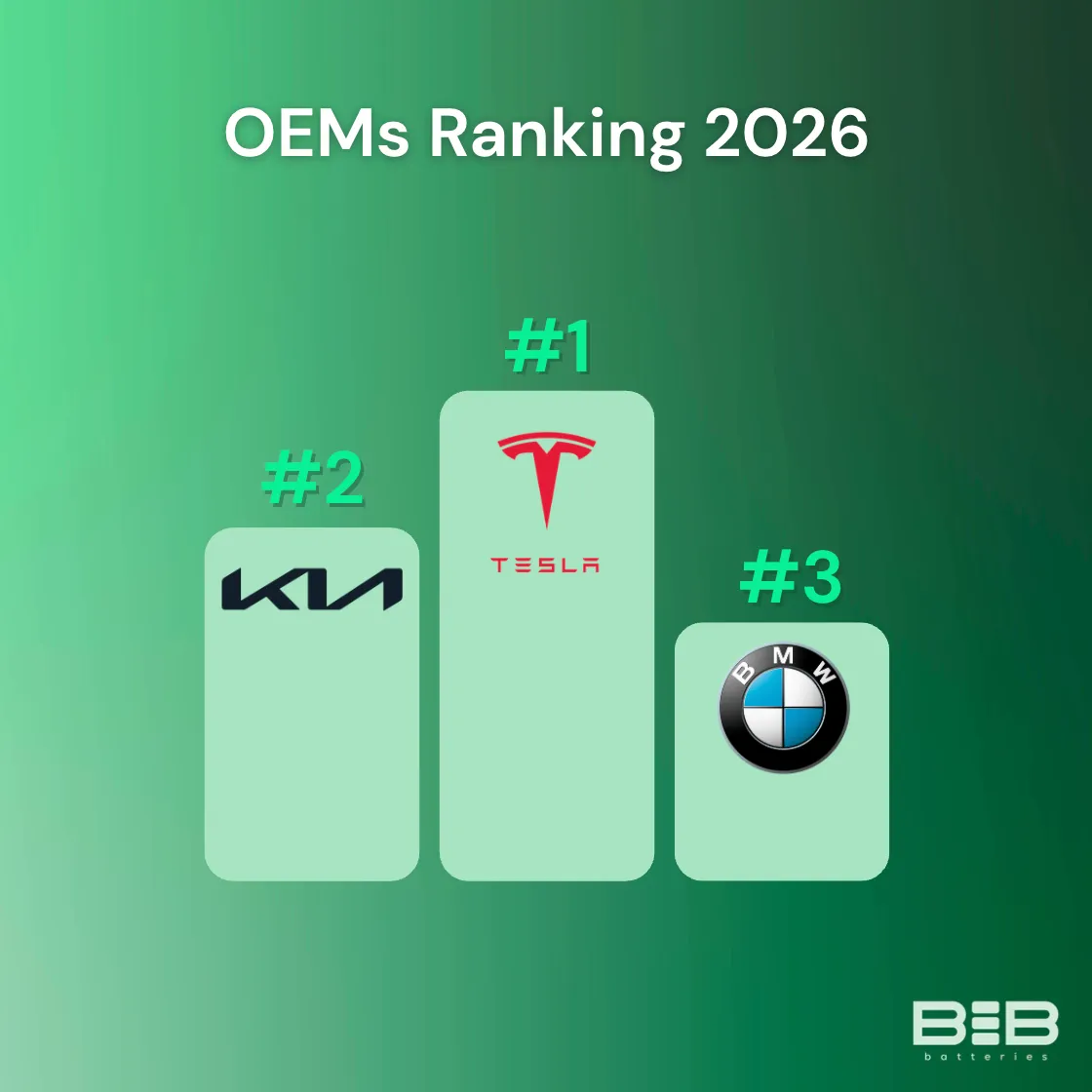
- Availability of information before implementing changesEach manufacturer was ranked on each criterion from 1 (best) to 9 (worst), and an overall score was calculated to determine their total ranking.
Ranking the OEMs
Challenges in Data Sharing
While the criteria provide a robust framework, there are challenges that OEMs and fleet managers may face in battery data sharing. These include data privacy concerns, the complexity of integrating diverse systems, and ensuring data accuracy. Overcoming these challenges is essential for realizing the full benefits of data sharing.
Data Privacy and Consent Management
With increasing regulations around data privacy, managing user consent is a critical component. Companies must ensure that data sharing practices are transparent and that users can easily manage their data preferences. This transparency builds consumer trust and ensures compliance with legal requirements.
Complexity in Integration
Integrating data from multiple sources and platforms can be complex. It requires careful planning, robust technology infrastructure, and expertise to ensure seamless integration. Overcoming this complexity is essential for achieving efficient data sharing and maximizing the value of collected data.
The Future of Data Sharing
As technology advances, the landscape of battery data sharing will continue to evolve. Future trends may include the use of artificial intelligence to enhance predictive analytics, blockchain for secure data sharing, and the development of universal standards for data interoperability. These advancements will further enhance the capabilities of data sharing and drive innovation in the EV industry.
Emerging technologies such as the Internet of Things (IoT) and machine learning will play a crucial role in shaping the future of data sharing. These technologies have the potential to provide even deeper insights into battery performance and enable more sophisticated data analysis. As the industry continues to evolve, the ability to effectively share and analyze battery data will be a key determinant of success.
Increased Focus on Data Security
With growing concerns about data privacy, OEMs will likely prioritize enhanced security measures. This focus will ensure that data-sharing processes remain secure and compliant with evolving regulations. Enhanced security protocols will not only protect user data but also build consumer trust, which is essential for the continued growth of the EV market. As cyber threats become more sophisticated, OEMs must stay vigilant and proactive in safeguarding their data-sharing infrastructure.
Enhanced Developer Collaboration
OEMs are anticipated to invest more in developer-friendly APIs and resources. By fostering collaboration with third-party developers, OEMs can drive innovation and create more value for EV owners and fleet managers. This collaboration will enable the development of new applications and services that enhance the EV experience, from improved navigation systems to predictive maintenance tools.
As OEMs expand their developer ecosystems, they will need to provide comprehensive support and resources to facilitate successful integrations. This includes offering detailed documentation, developer forums, and technical assistance to ensure seamless collaboration. By empowering developers, OEMs can accelerate the pace of innovation and create a vibrant ecosystem that benefits all stakeholders in the EV market.
Expansion of Fleet Analytics
Fleet analytics will become increasingly sophisticated, with OEMs offering more comprehensive insights into battery performance and usage patterns. This expansion will enable better decision-making and optimization of EV fleets. Advanced analytics will provide fleet managers with real-time data on vehicle health, driving behavior, and energy consumption, allowing them to make informed decisions that reduce costs and improve efficiency.
As fleet analytics tools become more advanced, OEMs will need to ensure that their data-sharing infrastructure can support the increased demand for real-time insights. This will require investments in data processing and storage capabilities, as well as the development of user-friendly interfaces that make it easy for fleet managers to access and interpret data. By offering comprehensive analytics solutions, OEMs can differentiate themselves in the market and provide valuable services that drive customer loyalty.
Conclusion
In conclusion, the landscape of battery data sharing is rapidly evolving, with OEMs striving to enhance their policies and processes. By understanding the strengths and weaknesses of each OEM, stakeholders can make informed decisions and drive the future of electric vehicles. As consent management, telematics documentation, and vehicle data APIs continue to improve, the potential for innovation and growth in the EV industry is limitless.
Stay ahead of the curve by keeping an eye on these developments and leveraging the insights gained from this benchmark. As the automotive world shifts towards a more data-driven future, these criteria will remain pivotal in shaping the success of EVs and their integration into modern life. OEMs that prioritize transparency, security, and collaboration will be well-positioned to lead the charge towards a more connected and sustainable future, ultimately redefining the way we experience transportation.